How much does it really cost to live in Nicaragua? The honest answer: anywhere from about $750 to $3,500 a month, depending on where you live, how you live, and whether you drive a car or ride the chicken bus.
This guide breaks it all down. We look at why prices in Nicaragua have stayed remarkably steady while much of the world has been on a rollercoaster, what everyday things actually cost, and then we build six realistic monthly budgets — from a simple life in León to an ocean-view house in San Juan del Sur and a finca in the mountains.
All numbers are in US dollars unless noted. The official exchange rate is fixed at C$36.62 córdobas per US dollar.
Quick Answer: What Does a Month in Nicaragua Cost?
- Simple local-style life (single, no car): about $700–$900
- Comfortable colonial-city life (couple, no car): about $1,700–$2,300
- Simple beach life (single, no car): about $1,000–$1,300
- Beach life with a house and a car (couple): about $2,200–$3,000
- Upscale San Juan del Sur (couple, with car): about $3,000–$4,000
- Remote finca on your own land (couple, with car): about $1,400–$2,000
These are our estimates based on current prices, published data and what members of our community actually spend. Your own numbers will depend heavily on two things: air conditioning and imported food.
Why Prices in Nicaragua Have Stayed So Stable
If you are coming from the US, Canada or Europe, the last few years have probably felt expensive. Groceries, rent, energy — everything went up. Nicaragua has been different, and there are concrete reasons why.
Low inflation, year after year
Nicaragua closed 2024 with inflation of 2.84%, and 2025 came in even lower at 2.7% according to the Central Bank — the lowest in five years. For people living here on a fixed income in dollars, that means your budget from last year still works this year.
2026 has brought some pressure. Year-over-year inflation rose to around 4% by mid-year, and in October the Central Bank raised its forecast for 2026 to a range of 3.5% to 4.5%, pointing to higher international oil prices and the risk that El Niño affects harvests. Food has been the main driver: a dozen eggs, for example, went from about C$73 to about C$90 in a year, and dry cheese passed C$120 a pound.
Our honest take: prices are still stable compared to most of the world, but a few staples — eggs, cheese, chicken, some vegetables — have become noticeably more expensive in 2026. Budget a small buffer for food.
It is also worth knowing that the official monthly inflation and basic-basket figures have been published less regularly since mid-2026, so for the most recent months you partly have to rely on what you see at the market.
Fuel prices frozen since 2022
This is the big one. Since April 2022, the government has kept gasoline, diesel and cooking gas (LPG) prices frozen at the pump, extending the measure week after week.
In 2026 that mattered a lot. When the conflict between the United States and Iran sent oil prices from around $60 to above $100 a barrel, pump prices in many countries jumped. In Nicaragua, gasoline stayed at roughly C$185 per gallon (about $1.33 per liter) and diesel at about C$164 per gallon — essentially unchanged for the whole year.
There is a catch worth understanding. The prices were frozen close to the 2022 peak. So when world oil prices were low, Nicaraguans actually paid more at the pump than their neighbors — in early 2026, a gallon of gasoline cost around $5 in Nicaragua versus under $4 in Panama or El Salvador. When oil spikes, the situation flips and Nicaragua looks cheap.
What this means for you: fuel in Nicaragua is not the cheapest in the region, but it is predictable. You can budget your car, your generator or your boat trips without nasty surprises. And because transport costs feed into the price of almost everything, the freeze also helps keep bus fares and food prices calm.
A fixed exchange rate since 2024
For decades the córdoba lost a little value against the dollar every year by design (a so-called "crawling peg"). Since January 1, 2024, that devaluation rate has been set to zero, freezing the official rate at C$36.6243 per dollar — and the Central Bank has kept it there for 2026.
For expats this has two effects:
- Your dollars buy the same number of córdobas as last year. No surprises when you exchange money.
- Local prices no longer "creep up" through devaluation, which used to add a few percent to imported goods every year.
The Central Bank backs the fixed rate with large international reserves — over $8.3 billion at the end of 2025, more than three and a half times the money in circulation.
Other stabilizers
- Electricity tariffs have barely moved: the average residential price sits around C$6.47 per kWh (about $0.18) and stayed roughly flat through 2026.
- A lot of food is grown locally. Rice, beans, corn, plantains, cheese, coffee and most fruit and vegetables don't depend on long import chains, so global shipping chaos hits Nicaragua less.
- Remittances from Nicaraguans abroad — around a fifth of the economy — bring in a steady flow of dollars.
The bigger picture
Stable doesn't mean cheap for everyone. The basic food basket for a Nicaraguan family is now above C$21,000 a month (about $585), while the average minimum wage is around C$9,200 (about $252). Many local families struggle. As a foreigner with income in dollars or euros, you are in a very different position — and it's worth keeping that in mind when you negotiate, tip and hire people.
What Things Actually Cost: The Building Blocks
Before we get to full budgets, here are the individual costs that make them up.
Rent
Rent is your biggest variable. Typical long-term ranges in 2027:
- León: about $250–$400 for a one-bedroom in the center; cheaper outside it
- Matagalpa: about $250–$400; furnished homes in the nicer areas around $320–$400
- Granada: about $300–$500 for a one-bedroom, $400–$700 for a nice two-bedroom; a simple Nicaraguan-style house without AC or hot water can be found for around $300–$350
- San Juan del Sur: about $450–$900 for a one-bedroom near the beach, $900–$1,600 for a furnished two-bedroom house, and $1,800–$2,800 for larger houses with a pool or ocean view
- Popoyo / Guasacate area: mostly houses and casitas rather than apartments; long-term deals are negotiated directly and range from roughly $400 for a simple casita to $1,500+ for a house with a pool
Tip: never rent long-term from the internet alone. Book a month on Airbnb, walk around, and negotiate a long-term deal in person. Prices drop a lot once you are on the ground and speak some Spanish.
Electricity: the hidden budget killer
Electricity is priced in tiers: the more you use in a month, the more you pay per kWh. The first 150 kWh are cheap; once you run air conditioning all day, every extra kWh costs much more.
- No AC (e.g. Matagalpa, Estelí, or fans only): about $20–$40 a month
- AC at night only: about $60–$120
- AC most of the day, pool pump, big fridge: $150–$300 or more
This is why the same apartment can cost $40 or $250 a month to run. Cooler highland towns like Matagalpa and Jinotega save you real money here.
Other utilities
- Water: about $5–$20 a month in towns; more if you use a well pump or have a pool
- Cooking gas (LPG): a few dollars a month — prices are frozen like fuel
- Internet (fiber or fixed wireless in towns): about $20–$60 a month
- Mobile phone with data: about $10–$20 a month
- Rural internet: fixed wireless or mobile data where coverage exists; satellite internet is used in some remote areas, but check the current legal situation before you buy hardware
Food: local market vs. supermarket vs. restaurant
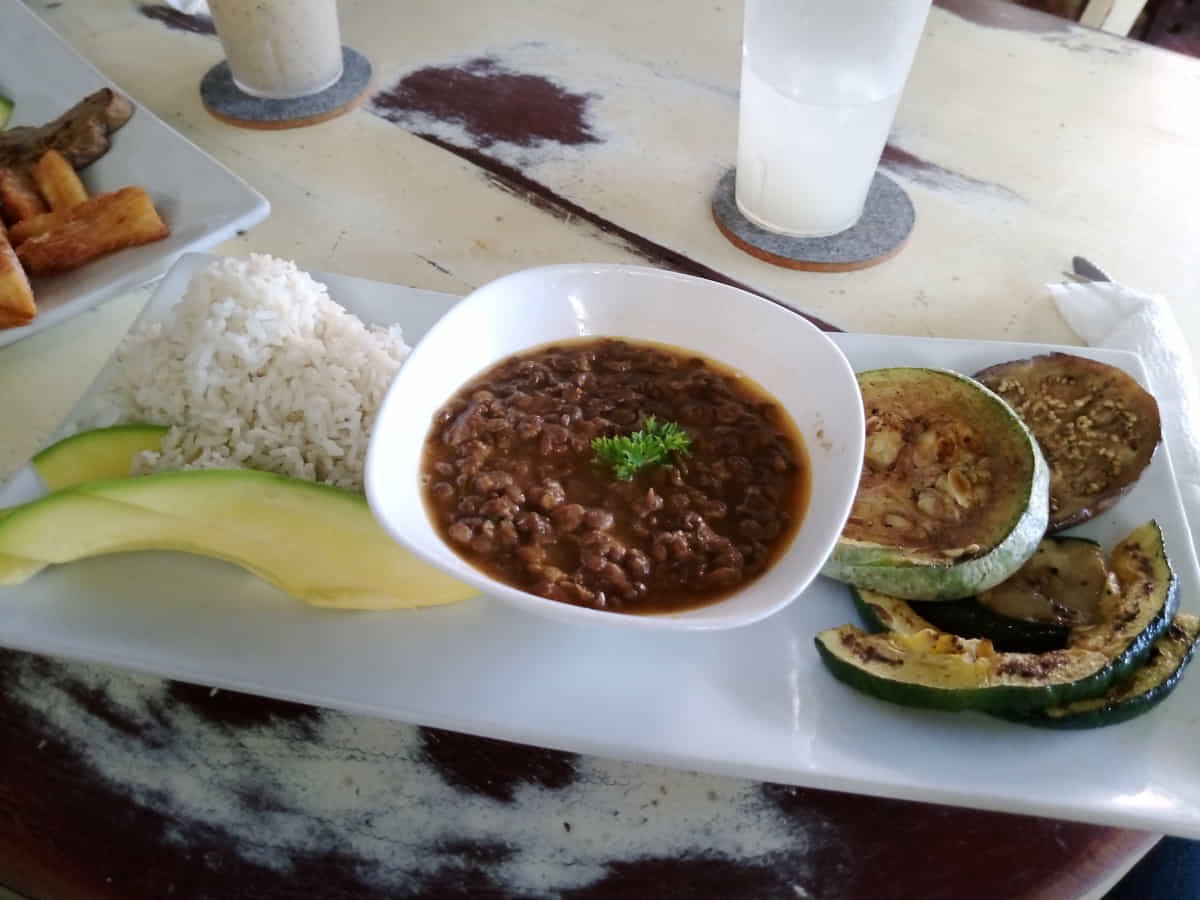
How you eat changes your budget more than almost anything else.
- Local markets: beans, rice, plantains, eggs, cheese, seasonal fruit and vegetables. A single person cooking mostly local can eat well on $150–$250 a month.
- Supermarkets (La Colonia, Pricesmart, Walmart/Palí): imported cheese, olive oil, wine, cereal, specialty items. Eating Western-style at home pushes groceries to $300–$450 per person.
- Comida corriente / fritanga: a full local plate — chicken or beef, gallo pinto, fried cheese, salad and plantain, often with a drink — costs around $3–$5. A vigorón from a street stall starts at about C$50 ($1.40).
- Mid-range restaurants: about $8–$15 per person
- Nicer restaurants and beach spots in San Juan del Sur or Granada: $15–$30+ per person, more with wine or cocktails
You can live on comidas for a fraction of what Western food costs. Most expats end up with a mix: local breakfast and lunch, a home-cooked dinner, and a nice meal out once or twice a week.
Getting around: car or no car?
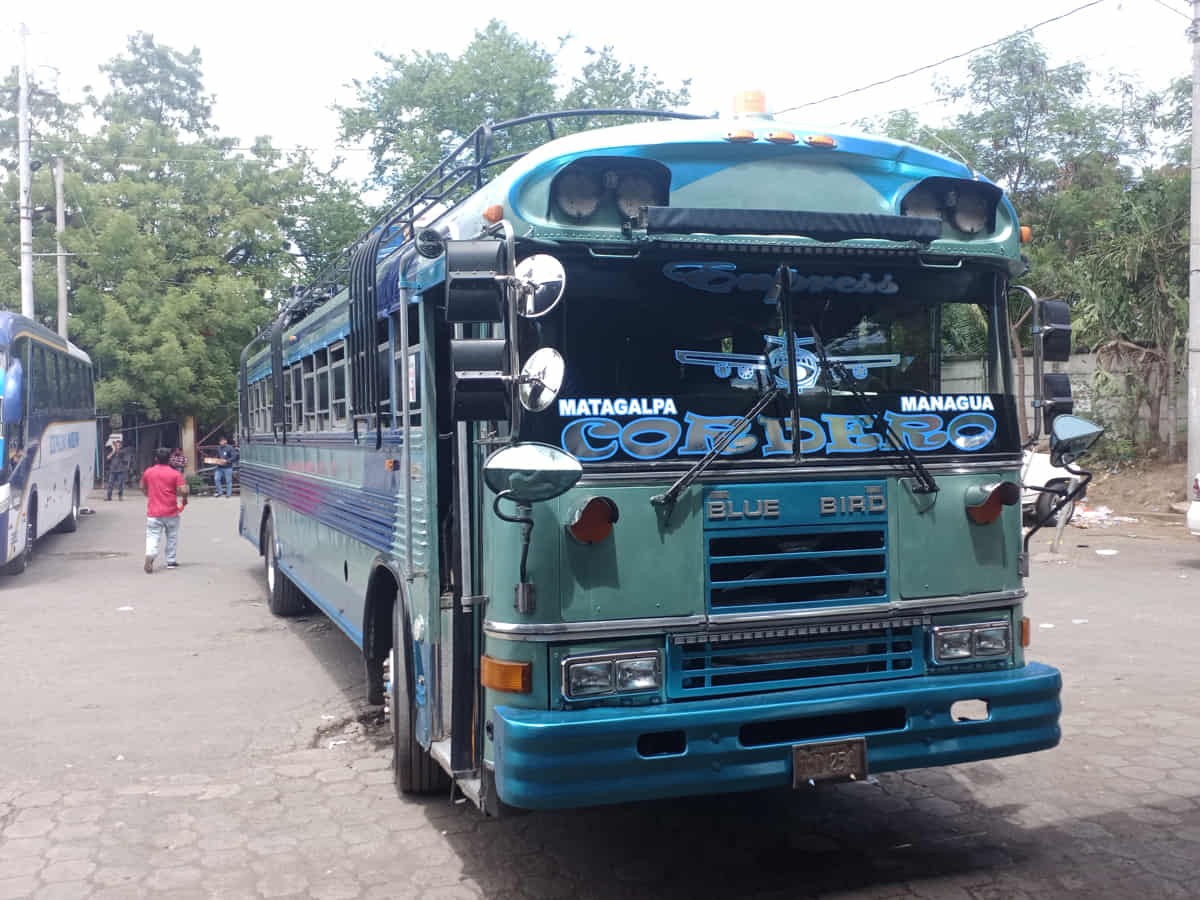
Without a car
Public transport is very cheap and goes almost everywhere:
- Local buses and collective taxis in towns: about C$5–C$15 a ride
- Chicken buses between cities: often under $1–$2 per trip (for example, about C$15 from San Juan del Sur to Rivas)
- Express microbuses: a bit more expensive, faster and fewer stops (around C$37 from Granada to Managua)
- Taxis within a town: usually C$30–C$100, negotiated before you get in
- Moto-taxis and tuk-tuks in smaller towns and beach areas
A monthly transport budget of $30–$80 is realistic. The trade-off is comfort: chicken buses are crowded, hot and slow, schedules are loose, and getting groceries home from a beach town can be a project. Living car-free works best in walkable towns like Granada, León or the center of San Juan del Sur.
With a car
- Fuel: about $1.33 per liter. Driving 1,000 km a month in a car that does 10 km/l costs around $130.
- Insurance, maintenance, tires, washes: roughly $80–$150 a month averaged out — rough roads are hard on cars
- Buying a car: used cars generally cost more than in the US because of import costs, and many people choose a pickup or 4x4 for dirt roads
Running a car typically adds $250–$400 a month on top of the purchase. At the beach or on a finca, a car is close to essential. In a colonial city, it's mostly a convenience.
Healthcare
- Doctor's visit at a top private hospital: about $25–$40
- Hospital membership / discount plans (for example at Hospital Vivian Pellas in Managua): roughly $50–$100 a month. These are discount programs, not full insurance.
- Local insurance plans: from about $50 a month
- International expat insurance: roughly $285 a month in your 30s, $480 in your 40s, $610 in your 50s and $690 in your 60s
Many expats combine a local plan for everyday care with an international policy or evacuation cover for serious cases. Discuss options in our Health & Safety forum.
Household help
Hiring local help is common and affordable:
- Part-time housekeeper: often $100–$200 a month depending on hours and location
- Finca caretaker or farm worker: the agricultural minimum wage in 2027 (valid until February 2027) is C$6,188 a month (about $169) plus food, and as an employer you also owe social security (INSS) and the yearly "aguinaldo" (an extra month's pay in December)
Many expats pay above minimum wage — it buys loyalty and reliability, and it's fair given the cost of the basic food basket.
Six Real Monthly Budgets
Now let's put it together. Each budget is an estimate for a typical month. They don't include flights, residency fees, buying furniture or a car, or one-time setup costs.
Budget 1: Local-style life in León or Matagalpa (single, no car)
You live in a simple but clean house or apartment, shop at the market, eat comidas, and get around by bus and taxi. In Matagalpa you don't need AC; in hot León you use fans and a little AC at night.
- Rent: $250
- Electricity, water, gas: $40
- Internet and phone: $35
- Food (markets + comidas): $220
- Transport (buses, taxis): $30
- Health (local plan): $60
- Personal, going out, extras: $100
Total: about $735 a month (range $650–$900)
Who it's for: budget-conscious retirees, remote workers who don't mind simplicity, and people learning Spanish who want to live among Nicaraguans. León is hotter and livelier with a university vibe; Matagalpa is cooler, greener and calmer. Join the conversation in the Matagalpa forum.
Budget 2: Comfortable colonial life in Granada (couple, no car)
A Western-style two-bedroom house or apartment near the center, with AC in the bedroom and hot water. A mix of supermarket and market shopping, eating out a few times a week, and a housekeeper twice a week.
- Rent: $550
- Electricity (AC at night): $120
- Water and gas: $25
- Internet and two phones: $60
- Groceries (mixed local and imported): $450
- Eating out: $250
- Transport (taxis, buses, trips): $60
- Health (two local plans): $160
- Housekeeper (part-time): $120
- Personal, entertainment, travel within Nicaragua: $200
Total: about $1,995 a month (range $1,700–$2,300)
Who it's for: retirees and couples who want culture, cafés, walkability and an established expat community without needing a car. A single person living the same way would spend roughly $1,100–$1,400.
Budget 3: Upscale San Juan del Sur (couple, with car)
A furnished two- or three-bedroom house with a pool or ocean view, AC throughout, regular dining out, a car for beach days, and a stronger health setup.
- Rent: $1,300
- Electricity (AC + pool pump): $200
- Water and gas: $30
- Internet and phones: $70
- Groceries (mostly supermarket): $550
- Dining out and drinks: $400
- Car (fuel, insurance, maintenance): $300
- Health (local plans + evacuation cover): $250
- Housekeeper: $150
- Personal, surf, activities, extras: $300
Total: about $3,550 a month (range $3,000–$4,000)
Who it's for: people who want the best-developed expat scene in the country, English widely spoken, restaurants, schools and beaches within minutes. San Juan del Sur carries a clear "tourism premium" — the same house costs noticeably more here than in Granada. If you need full international health insurance, add $500–$1,400 for a couple depending on age.
Budget 4: Beach life near Popoyo with a house and car (couple)
A small house or casita a short walk from the beach, AC in the bedroom, and a car to reach Rivas for groceries, banks and doctors. Popoyo and Guasacate are quieter and more spread out than San Juan del Sur — fewer services, more nature, world-class surf.
- Rent: $900
- Electricity: $150
- Water and gas: $30
- Internet (fixed wireless + mobile data): $60
- Groceries (more expensive locally; big shops in Rivas): $500
- Eating out: $250
- Car (more driving than in town): $350
- Health (local plans): $200
- Personal, surf, extras: $200
Total: about $2,640 a month (range $2,200–$3,000)
Good to know: at the beach everything takes a bit more effort — power cuts, salty air destroying electronics, and longer drives for anything beyond the basics. Many landlords cap electricity and charge extra above a set amount, so ask before signing.
Budget 5: Simple beach life near Popoyo without a car (single)
A room or simple casita near the surf, fans instead of AC, cooking with local food, eating at comedores, and getting around by moto-taxi, bus or a ride from friends.
- Rent (room or simple casita): $450
- Electricity, water, gas: $60
- Internet and phone: $30
- Food: $300
- Transport (moto-taxis, buses, occasional rides): $60
- Health (local plan): $60
- Personal, board repairs, extras: $150
Total: about $1,110 a month (range $1,000–$1,300)
The trade-off: it's cheap and close to the waves, but without a car you depend on others for big shopping trips and you'll spend time waiting for buses. Many people in this setup eventually buy a motorbike — budget around $50–$80 a month to run one.
Budget 6: Remote finca on your own land (couple, with car)
You own a few manzanas of land in the hills — maybe near Matagalpa, Jinotega or in the countryside outside Granada. No rent, but a property needs care, people, and a vehicle that can handle dirt roads.
- Caretaker (agricultural minimum wage + food + social security + aguinaldo, averaged monthly): $280
- Property upkeep (clearing brush in rainy season, fencing, repairs, tools): $150
- Electricity / solar maintenance and well pump: $60
- Internet (fixed wireless or mobile data): $60
- Groceries (garden and local market, plus town trips): $350
- 4x4 or pickup (fuel, insurance, maintenance): $350
- Health (local plans): $200
- Municipal property tax and insurance (averaged): $30
- Personal and extras: $150
Total: about $1,630 a month (range $1,400–$2,000)
Keeping your finca occupied, cared for and eco-friendly
The biggest mistake new finca owners make is leaving the property empty. An unattended property quickly gets overgrown in the rainy season, attracts theft, and in some cases can lead to disputes over the land. A trusted caretaker living on the property is the best insurance you can buy.
If you travel or live elsewhere part of the year, budget about $400–$500 a month to keep the finca running while you're away: caretaker, basic upkeep, utilities and a small reserve for repairs.
Making it sustainable and low-cost:
- Solar panels and batteries reduce your power bill and protect you from outages
- Rainwater harvesting and a good well cut water costs and dependence on the grid
- A vegetable garden, fruit trees and a few chickens cut grocery costs and give your caretaker meaningful work
- Native trees and shade-grown coffee or cacao protect the soil, keep the land cooler and can bring in a small income
- Composting and greywater systems keep things clean without expensive infrastructure
Over time, a well-run finca can cover a good part of its own costs. Ask experienced owners in our Real Estate forum before you buy.
Five Ways to Live Better for Less
- Pick your climate wisely. A cool highland town can save you $100–$200 a month on electricity alone.
- Eat local most of the time. Comidas, markets and seasonal fruit are a fraction of the cost of imported food — and often tastier.
- Rent before you buy, and negotiate in person. Online prices for foreigners are often much higher than what you'll pay on the ground.
- Learn Spanish. It's the single best money-saver in Nicaragua — for rent, taxis, markets and building relationships.
- Keep a buffer. Prices are stable, but repairs, health surprises and food price swings happen. Plan 10–15% extra.
The Bottom Line
Nicaragua remains one of the most affordable places in the Americas to live well. A fixed exchange rate, frozen fuel prices and years of low inflation make it unusually predictable — something few countries can offer right now. 2026 has seen food prices rise faster than before, but for anyone earning in dollars or euros, the overall picture is still very stable.
Whether you want a simple life among locals for under $800 a month, a colonial home in Granada for two at around $2,000, or an ocean-view house in San Juan del Sur, Nicaragua lets you choose the lifestyle that fits your budget — not the other way around.
Sources
Inflation, exchange rate & economy
Fuel & electricity
Food, wages & the basic basket
Rent, healthcare & daily costs