Island Overview and Fame
Volcanic Origins and Island Geography
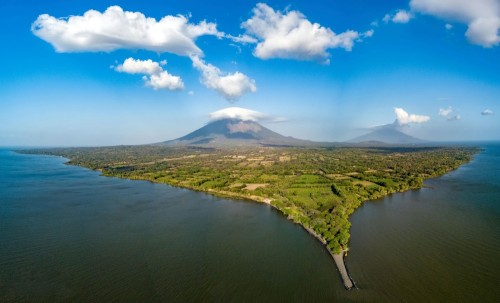
Ometepe Island is remarkable for its striking geography: two massive volcanoes—Concepción and Maderas—rise from the shimmering waters of Lake Nicaragua, connected by a slender isthmus that gives the island a distinctive hourglass or figure-eight shape. Concepción, the larger and active volcano, is famous for its near-perfect symmetrical cone, reaching 1,610 meters and regularly shrouded in gentle volcanic mists. Maderas stands 1,394 meters high, shrouded in dense cloud forest and sheltering a hidden crater lake at its summit, discovered by a local farmer in 1930. This dramatic landscape makes Ometepe the highest lake island in the world.
Rich Pre-Columbian Heritage
Ometepe's early history stretches back thousands of years, with archaeological evidence suggesting it was inhabited since at least 1500 BC. Its name comes from the Nahuatl language, meaning “two mountains”—reflecting the dual volcanoes. The island is renowned for its wealth of pre-Columbian petroglyphs, stone idols, and burial sites, particularly on the flanks of Maderas. Ancient rock carvings depicting spirals, animals, and human figures are widespread, believed to have been created by early Chorotega and Nicarao peoples for ceremonial or religious purposes.
Pirate Intrusions and Colonial Encounters
With the arrival of the Spaniards in the 16th century and subsequent pirate raids from the Caribbean, Ometepe's population often sought the safety of higher volcanic slopes as pirates established settlements and raided local communities. The island’s isolation helped shield its distinct culture and much of its ancient art, although its people faced hardship during these turbulent periods.
Lively Tradition and Modern Preservation
Today, Ometepe honors its roots with vibrant festivals that blend ancient indigenous rituals and modern traditions, said to be the most numerous in Nicaragua. Main towns like Altagracia and Moyogalpa preserve local crafts and host many of these celebrations. Eco-tourism and archaeological tourism are key contributors to the local economy, helping fund conservation efforts and small museums that tell the story of the island’s unique past.
UNESCO Biosphere Reserve and Natural Riches
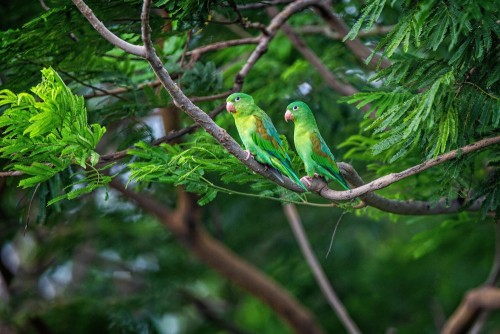
Since being designated a UNESCO Biosphere Reserve in 2010, Ometepe has become globally recognized for its blend of natural wonder, biodiversity, and cultural resilience. The reserve encompasses lush rainforests, volcanic craters, and wetlands, hosting rare species such as howler and capuchin monkeys, endemic birds, orchids, and butterflies. Sustainable tourism, community-based lodges, and guided nature walks all support the preservation of this extraordinary ecosystem.
An Island Like No Other
With its volcanic glory, archaeological treasures, exotic wildlife, and enduring traditions, Ometepe Island stands apart as one of Central America’s true wonders. The fusion of awe-inspiring landscapes and deep cultural memory offers an experience that is both adventurous and profoundly meaningful for every visitor.
Island Geography and Statistics
Ometepe Island covers approximately 276 square kilometers, stretching 31 kilometers long and 5 to 10 kilometers wide, forming the largest volcanic island located within a lake anywhere in the world. The dramatic hourglass shape is created by the narrow isthmus joining the volcanoes Concepción and Maderas. With its twin peaks towering above lush green lowlands, the island’s landscapes are among Nicaragua’s most iconic.
Population and Rural Character
The population of Ometepe is around 42,000. Outside its key towns, most communities are nestled in tranquil agricultural hamlets, reflecting a distinctly rural character rooted in farming life and traditional values. Despite its size, the atmosphere remains peaceful, with much of the daily rhythm focused on growing plantains—Ometepe’s signature crop—and tending coffee or cacao farms.
Major Towns: Moyogalpa and Altagracia
Moyogalpa, the largest harbor village, serves as the arrival point for most ferries and visitors. It is the commercial heart of Ometepe, offering the widest selection of amenities, supermarkets, transport, banks, ATMs, and accommodations for travelers and residents alike. Altagracia, situated on the northeast, is the administrative capital for the Maderas side of the island and boasts a larger population despite being less commercial than Moyogalpa. Both towns provide essential transport hubs and are gateways to Ometepe’s attractions, from hiking trails to cultural festivals.
Agriculture and Tourism
Agriculture remains the backbone of Ometepe’s economy, with most families directly involved in farming, permaculture projects, or local produce supply. In recent years, tourism and ecotourism have flourished, inviting visitors to enjoy hiking, birdwatching, and immersion in the island’s unique landscapes and traditions. These two industries—agriculture and tourism—shape everyday life and support the peaceful rural lifestyle Ometepe is known for.
Visiting, Activities, and Experiences
Is Ometepe worth going to?
Ometepe is regarded as a must-visit destination for travelers seeking authentic natural beauty and tranquility. With an abundance of wildlife, scenic hikes to waterfalls such as San Ramon, relaxing beaches, and local swimming spots like Ojo de Agua, it offers endless outdoor and cultural activities.
Adventure and Relaxation
Whether trekking up Volcán Concepción for panoramic views, exploring jungle trails, or simply unwinding on peaceful beaches like Playa Mangos or Punta Jesús María, the island caters to both adventure seekers and those desiring relaxation.
Island Atmosphere and Community
Visitors cherish Ometepe’s laid-back atmosphere and welcoming spirit, often describing the island as “a little corner of paradise”. The friendly communities in both towns and rural areas easily embrace newcomers, making it comfortable to settle in for a longer stay. Many choose to spend several days, reporting the wish to extend their visit as the blend of slow island living, natural beauty, and local hospitality make for a memorable stay.
Unique Experiences Await
From sunrise views over the twin volcanoes, stargazing at remote beaches, to spotting howler monkeys and rare birds in reserves like Charco Verde, Ometepe promises special experiences not found elsewhere in Nicaragua. Its unmatched combination of volcanoes, lake vistas, secluded villages, and rich history ensures Ometepe remains a highlight of any itinerary through Central America
Where to go swimming in Ometepe Island?
Swimming in Ometepe is both popular and accessible, especially at the natural spring pools and select beaches. The Ojo de Agua is the most famous spot—a crystal-clear, volcanic spring pool frequented by locals and tourists for its refreshing mineral waters and lush jungle setting. Playa Santo Domingo and Playa Mangos also offer great opportunities to relax by the water.
Top Activities and Unique Spots
- Hike to San Ramon Waterfall for jungle views and a cooling swim.
- Relax at Ojo de Agua, a vibrant mineral spring with facilities and food.
- Visit Punta Jesus Maria for panoramic sunsets and iconic photo opportunities.
- Explore ancient petroglyphs near Altagracia for a glimpse into the island’s storied past.
- Enjoy local cuisine in Moyogalpa and Altagracia, tasting fresh fish and Nicaraguan specialties.
- Attend one of the island’s unique festivals, which combine indigenous traditions with modern celebrations.
Safety, Community, and Hazards
Is Ometepe Island safe?
Ometepe is generally reported to be safer than other parts of Nicaragua, particularly for tourists exploring the main towns and well-traveled paths. The atmosphere is relaxed and friendly, both in Moyogalpa and rural areas, and travelers consistently mention positive experiences with locals. Standard travel precautions should still be taken, such as watching belongings and consulting international travel advisories, but most visitors feel comfortable during their stay.
Natural Hazards
Living on Ometepe means being mindful of the surrounding volcanoes—Concepción remains active, and while eruptions are infrequent, the risk exists. Tsunami risk, though low, should not be disregarded due to the island’s position within the large lake. Residents must consider preparedness, building resilience, and keeping informed about natural disaster procedures. Despite these factors, many find the benefits outweigh the risks, so long as they remain practical and vigilant.
Moving Around and Logistics
Times of the Ferries and Departure Locations
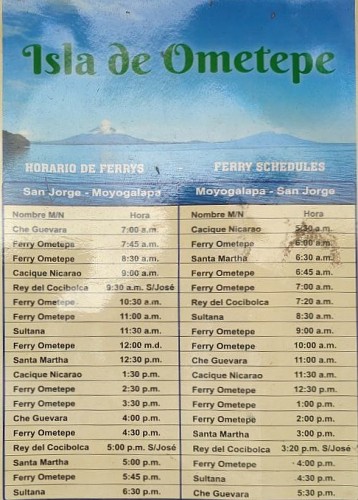
Ferries to Ometepe depart from San Jorge port (near Rivas), connecting to Moyogalpa and sometimes to San José del Sur on the island. Schedules vary but generally start from 6:00 AM and run through late afternoon, with several sailings in both directions per day. Travel time is around one hour, and tickets can be bought at the pier. It’s advised to arrive early, especially in peak season or weekends, as ferries can fill up quickly.
Navigating Tickets and Entry at the Harbor
To access the harbor property, all visitors are required to pay a $1 entrance fee before proceeding to the pier. Passenger tickets for the ferry can be bought at one of the regular ticket booths at the harbor. If bringing a car or motorcycle, a separate vehicle ticket must be purchased at a different counter designated for vehicles.
Insider Tip: Small boats crossing Lake Nicaragua can be quite rough, especially for those prone to seasickness. Choosing a larger ferry, such as the "Rey del Cocibolca," offers a smoother, more comfortable ride for most travelers.
For exact departure times see the following table:
Main Modes of Transportation
Getting around Ometepe requires some planning as points of interest are spread across the large island. The most popular way for travelers is to rent a scooter, which provides flexibility and independence for exploring remote beaches, waterfalls, and towns. Scooter rentals are available near the ferry ports, with daily rates generally ranging from $15 to $25, and a deposit or passport is often required.
Taxis, Cars, and Other Options
Taxis are available at ferry terminals and in larger towns like Moyogalpa and Altagracia. Visitors can also rent cars or four-wheelers, though these are fewer in number than scooters. Car rentals are suitable for families or groups, but many roads off the main paved route are still rough, and high-clearance vehicles are often recommended.
Public Buses: The Local Experience
Ometepe’s public buses, often “chicken buses,” run between major towns like Moyogalpa, Altagracia, and Santa Cruz, generally every hour during the day. These converted school buses are inexpensive and provide an authentic travel experience, but the schedules can be sporadic, especially on Sundays, and routes do not reach every attraction or remote community.
Guided Tours and Private Drivers
For visitors seeking convenience or those less comfortable navigating independently, guided tours and private drivers are available. Many local agencies operate hiking, volcano, and waterfall tours, and virtually all accommodations can arrange private transfers to and from the ferry port or across the island’s main sights.
Road Conditions and Travel Tips
Most of Ometepe’s principal routes—especially the loops connecting Moyogalpa, Altagracia, and Santa Cruz—are now paved with cobblestones or concrete. However, roads branching to remote villages, trailheads, or around Volcán Maderas remain rough dirt tracks and can become muddy or challenging after rain. Early starts are recommended for day trips, and travelers should pack sufficient water, check scooter or bike conditions, and always verify current road status, particularly if heading off the main routes.

Expat Living
The Allure of Island Life
Ometepe is widely celebrated among expats for its natural beauty, laid-back atmosphere, and immersive connection to nature. The tranquil environment, with daily sights of volcanoes, lake vistas, and abundant wildlife, draws those seeking a peaceful lifestyle or a fresh start away from urban rush.
Affordability and Housing
One of the most appealing aspects of living on Ometepe is its affordability. Housing ranges from basic rooms to lakeside villas, and the overall cost of living is significantly lower than in Western countries. Everyday expenses—like groceries, dining, and local transportation—are reasonable, with many expats able to live comfortably for under $1,500 per month. However, prices for imported goods, electronics, and specialty products can be higher due to the island’s isolation and reliance on infrequent deliveries.
Services and Building Materials
Expats should be aware that hiring specialized services or purchasing building materials on Ometepe often costs more than on the mainland. Materials such as concrete, steel, imported tiles, and quality wood can be subject to delivery delays and price markups, particularly during the rainy season or times of increased construction demand. Building a basic home may be affordable compared to Western standards, but those seeking high-quality finishes or imported products can expect much higher budgets. Custom homes with better finishes are estimated at $130 per square foot or more, and maintaining the property often entails waiting for shipments or making do with local materials like adobe, volcanic sand, or bamboo.
Community and Expat Integration
The island is known for its welcoming, close-knit community—both among locals and expats. Community social events, markets, language exchanges, and volunteer opportunities provide many ways to get involved. While the expat population is relatively small, gatherings are easy to find, and it’s common for residents to form strong connections quickly. Most visitors note the warm hospitality from Ometepeños and the genuine spirit of cooperation across cultures.
Adapting to Challenges
Expats on Ometepe must adapt to a slower, rural pace of life and a limited range of services. Internet connectivity can be inconsistent, and power outages occur regularly due to aging infrastructure. Healthcare is basic; for serious medical issues or advanced treatment, residents need to travel to the mainland. Expats are encouraged to carry comprehensive insurance that includes emergency evacuation coverage. Routine matters like shopping, bill payment, or even banking often involve extra steps or travel.
Internet Access and Costs
Internet on Ometepe is available in most towns and at major hotels, with pricing and speed varying widely. Fiber optic and WiFi packages from providers like Claro, and Tigo range from $30 to $160+ per month, depending on speed and reliability. Slow or intermittent connections are common, and outages can happen during storms or power failures. For those who need reliable internet—such as remote workers—having a backup solution, like a phone with Claro or Tigo data, is advised. In rural areas or basic guesthouses, internet may be less reliable or only available for a fee.
Language, Skills, and Residency
Spanish is essential for daily communication and integration, as English is not widely spoken. Those with skills in home repairs, gardening, or vehicle maintenance find self-reliance helpful, since professional services can be scarce or expensive. Residency requirements periodically change, and some foreigners live as “perpetual tourists,” crossing the border to Costa Rica for visa renewals.
Rewards and Trade-offs
Most expats report finding Ometepe deeply rewarding despite—or even because of—the trade-offs. The island rewards patience, adaptability, and a willingness to settle into a slower, simpler way of life. Daily joys include fresh local produce, spontaneous community gatherings, and a stunning natural backdrop—balanced against occasional inconveniences, limited services, higher costs for imported goods and building materials, and the need for resourcefulness.
Conclusion
For tourists:
Ometepe Island stands out as a truly unique destination for both travelers and expats, offering an immersive experience in one of Central America’s most iconic landscapes. For visitors, the abundance of outdoor activities, lush scenery, and welcoming local communities ensures each trip is memorable—whether hiking volcanoes, relaxing on quiet beaches, or discovering ancient petroglyphs.
For expats:
For long-term residents, Ometepe provides a tranquil escape and an affordable lifestyle, balanced by the challenges of rural living and higher costs for some services and materials. While reliable internet and healthcare may require planning, the rewards include authentic cultural encounters, spontaneous community gatherings, and daily life surrounded by stunning nature. Those seeking adventure, simplicity, or a sense of belonging will find Ometepe to be a paradise that welcomes and inspires travelers and residents alike.