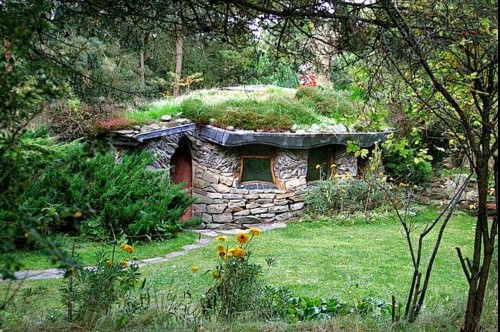
We are looking for people who are interested in participating in a sustainable living village project in Nicaragua.
This is very early stage and still in the brainstorming phase. However, we have strong local partners on board which are crucial for the success for such a project.
The basic idea is to own a substantial piece of land and build individual houses for sale/rent in a sustainable way.
If you are looking for an opportunity to create, build and collaborate, please comment below or get in touch. You can also register and subscribe to this thread so you will get updates via email or notifications when you login. For more help check our guide.
Designing Thriving Communities: The Sweet Spot Between Privacy, Connection, and Shared Spaces
From dream to reality: why shared living needs smart design
Many people dream of living in a warm, supportive community where resources are shared but each person still has their own home. It sounds perfect, but making this dream real takes careful planning and a smart balance between connection and privacy.
Good intentions aren’t enough: structure decides if a community thrives
A lot of communities start with strong intentions but struggle to thrive—and often don’t understand why. The key is not just passion or purpose, but how the community is structured and how the physical spaces are designed to support healthy relationships.
Why around 30 people is the sweet spot for a village
An ideal community size is around 30 members per “village.” This is large enough to offer diverse connections and positive group dynamics, yet small enough to keep conflicts manageable. Very small groups, like 10 people, often face more friction and fewer chances for meaningful bonding.
Close, but not crowded: designing homes for connection and privacy
Spatial design is just as important. Homes or living units should be close enough to encourage natural, spontaneous encounters, but not so close that people feel their privacy is threatened. Private personal space is essential—it gives everyone a place to retreat, rest, and reset, which helps keep tensions low and respect high.
The power of optional shared spaces, not forced togetherness
The real magic happens in voluntary shared spaces—common areas that are available and inviting, but never forced. These “in‑between” spaces, such as community rooms, gardens, or courtyards, act as social hubs where people can gather, collaborate, and support each other while still choosing when and how to engage.
When design and boundaries align, real community can grow
When private and communal spaces are thoughtfully balanced, the result is a vibrant, resilient community where people feel safe, connected, and free to interact on their own terms. That’s how you build a community that truly thrives.
What are your thoughts? Please let us know as comment.