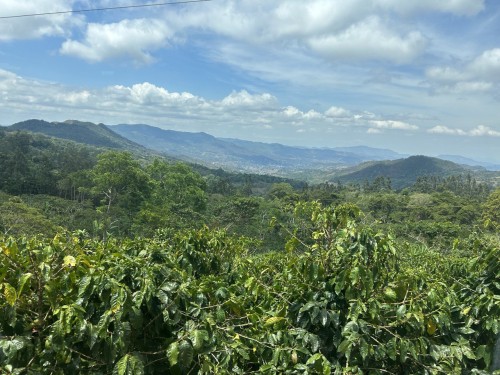
The Dream vs. The Reality
Many people dream of escaping the modern world — growing their own food, disconnecting from the rat race, and living freely in nature.
Nicaragua often appears as the perfect place for this vision: warm climate, affordable land, and friendly people.
But before packing your bags, it’s important to understand that living off-grid in Nicaragua is an adventure and a serious commitment. It requires time, planning, and a lot of patience.
Arriving in Nicaragua: Step One
Moving to Nicaragua itself can already feel like stepping into another world. Bureaucracy, culture, and daily routines work differently here.
Give yourself time — at least several months — to adjust.
- Rent a house first and explore different regions.
- Start your residency process early.
- Learn basic Spanish — it will make life much easier.
Think of this as the first phase of your transition: settling into the country before going off-grid.
Why You Need Two Phases
Jumping straight into building an off-grid life is risky. Settle first, understand the culture, and scout for land after exploring.
The best approach is a two-step process:
- Move to Nicaragua and get comfortable with local life.
- Once ready, start your off-grid project with more confidence and connections.
The Challenge of Building Off-Grid
Establishing your property is not a weekend project. Roads can be rough or nonexistent. In some places, it might take over an hour to travel just 10–15 km.
- During the rainy season, roads may become impassable.
- If your land is remote, bringing in materials will be expensive and slow.
- Machinery often breaks due to rough terrain and constant humidity.
Be ready to manage logistics that would be unimaginable in most other countries.
Dealing With Climate and Nature
Tropical life sounds idyllic until you face daily battles with pests, heat, and vegetation.
- Weeds grow faster than you can cut them.-
- Insects and rodents love your food and crops as much as you do.
- Heavy rains can damage access roads or small structures.
If your property is below 500 meters elevation, prepare for intense heat. Higher regions have a more pleasant climate — ideal for farming and comfort.
Income and Financial Planning
One of the biggest mistakes newcomers make is assuming they can “wing it” financially. In reality, Nicaragua’s rural economy won’t support you unless you already have income.
- Expect no local income in the first years.
- Online work or savings are essential for stability.
- Aim to earn at least $1,000/month for a modest lifestyle (excluding luxury areas like San Juan del Sur).
Setting up your systems — solar, water, gardens — will cost more time and money than expected.
Water, Power, and Internet
Water and power are your lifelines when living off-grid. Wells can run dry in the dry season, and electricity is unreliable in some regions.
- Water: A reliable well or rainwater collection system is crucial.
- Power: Solar setups work well but require backup options.
- Internet: Rural access varies — 4G or Starlink is often your best bet.
Plan these systems carefully before moving permanently to the land.
Security and Community Connections
Even in peaceful regions, you cannot live in isolation. Rural Nicaragua is a mix of small farms and family-owned plots.-
- Hire a caretaker or security guard if your property is large.
- Respect and connect with your neighbors — community ties matter deeply.
- Never leave valuables unattended, especially during long trips away.
Good relationships with locals make everything easier — from security to sourcing help when things break down.
The Beauty and the Challenge
Living off the grid in Nicaragua can be pure magic — tropical trees, morning birds, and silence far from cities. But paradise has its price: physical work, heat, logistics, and adaptation.
If you’re realistic, patient, and prepared, it can become one of the most rewarding experiences of your life — not easy, but unforgettable.