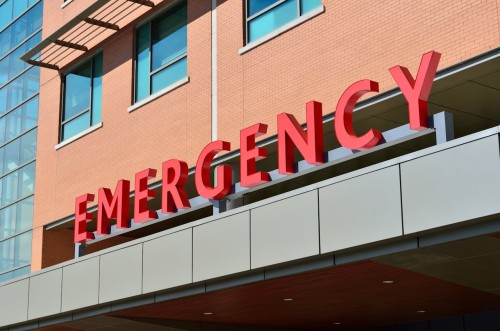
Staying safe in Nicaragua is easier when the right emergency numbers and hospital details are saved in advance. This guide brings together the main national hotlines plus key information for two major hospitals in Managua often used by tourists and expats.
National emergency hotlines
Nicaragua uses nationwide short codes that work from any phone in the country. These are the core numbers to memorize or store in your contacts.
- Tourist hotline / tourist police: 101 – for tourism‑related incidents, problems with services, and coordination support.
- Police emergency: 118 – to report crimes, assaults, theft, or urgent security issues.
- Medical emergency / ambulance: 128 – to request an ambulance or urgent medical response.
- Fire department: 115 – for fires, rescues, and related emergencies.
When to use which number
Use 101 if you are a visitor facing issues like theft, scams, or problems with tourist services and need guidance or help interacting with authorities. For immediate danger or serious crime in progress, prioritize 118 (police) and 128 (medical) so core emergency services can respond as quickly as possible.
Saving 101, 115, 118, and 128 in your phone under clear labels (e.g., “Police NI 118”, “Ambulance NI 128”) helps you or others act faster in a stressful situation. Many travelers also keep their embassy’s emergency number and their insurer’s assistance line next to these contacts.
Medical emergencies and local hospitals
Nicaragua has both public and private hospitals, and each can be useful depending on the situation.
Public hospitals are part of the state system and are mainly focused on residents. For simple issues like minor injuries or basic infections, they can be a good, low‑cost option, especially outside Managua.
In some cases, tourists are treated at public facilities at little or no cost. In other cases, staff may explain that services are primarily for residents, so experiences can differ from one hospital to another.
Private hospitals usually offer more modern infrastructure, shorter waiting times, and easier access to specialists. This makes them the preferred choice for serious or complex problems such as major trauma, surgery, or intensive care needs. Private hospitals are affordable compared to Western countries, however costs can also add up to thousands of USD within days/weeks of treatment depending on the circumstances.
Some public hospitals also offer a small private section, so the line between fully public and fully private care is not always clear‑cut. In these mixed facilities, patients can sometimes choose between the standard public service and a paid “private” area with shorter waits or more comfort, depending on availability.
Start local, then transfer if needed
Outside Managua, the fastest way to get help in a medical emergency is usually to go to the nearest local public hospital or clinic or have the ambulance take you there. Local doctors can stabilize you, perform an initial assessment, and decide whether a transfer to a higher‑level facility in Managua is necessary. If more advanced diagnostics, surgery, or intensive care are needed, patients are often referred on to larger hospitals in the capital, including Hospital Militar and Hospital Vivian Pellas.
Why this approach works well
Going first to a local facility reduces transport time in critical moments, especially in rural areas or on the coasts. Once stabilized, referral to Managua can then be arranged in a more controlled way, with better information about what kind of specialist care or equipment will be required.
Major hospitals in Managua
Hospital Militar Escuela “Dr. Alejandro Dávila Bolaños”
Hospital Militar is a major reference hospital in Managua used by both military and civilians. It is known for broad emergency services and a range of specialties.
- Name: Hospital Militar Escuela “Dr. Alejandro Dávila Bolaños”
- Address: Rotonda El Guegüense, 400 metros al Este y 300 metros al Sur, Managua
- Telefone: +505 2222763
Profile: Hospital Militar is a high‑complexity teaching hospital that serves both Nicaraguan Army personnel and civilians, and is widely regarded as one of the country’s top options for trauma and emergency care.
Hospital Metropolitano Vivian Pellas
Hospital Vivian Pellas is one of Nicaragua’s best‑known private hospitals and is widely used by expats and visitors for higher‑end care and international insurance handling.
Profile: A leading private hospital offering advanced services including emergency care, pediatrics, orthopedics, neurosciences, and various surgical and diagnostic specialties, typically operating 24 hours a day.
Practical advice for expats and travelers
Save the addresses and names of Hospital Militar and Hospital Vivian Pellas in both Spanish and English on your phone.
Ask your insurer which Nicaraguan facilities they work with and save their emergency assistance number.
When in doubt, get to the closest clinic or hospital first, then coordinate any transfer to Managua with local doctors, your embassy (if needed), and your insurance provider.
Important note - payments needed upfront for treatment
In Nicaragua, most hospitals and clinics are completely separate from foreign insurance companies, so there is usually no automatic or direct connection between your insurer and the hospital.
This means the hospital will treat you as a private, self‑pay patient at first, even if you have a valid international health insurance policy.
In practice, you almost always have to pay the bill (or at least a substantial deposit) yourself at the time of treatment, using cash or card. Afterward, you submit the invoices, medical reports, and proof of payment to your insurance company and request reimbursement under the terms of your policy.