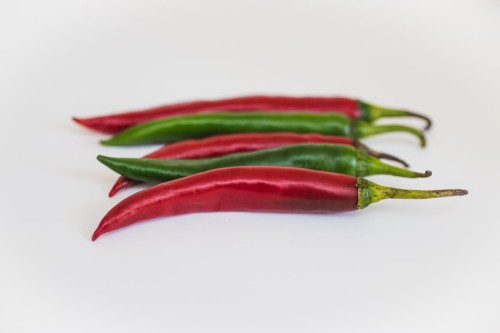
Cayenne pepper has a long history as a heart and circulation remedy in traditional medicine, and many people still use it today as a strong “driver” herb to boost blood flow and support other treatments. This article is divided into two parts: general background and treatment concepts, then practical recipes and dosage ideas based on traditional herbal practice.
Part 1 – How cayenne helps (history and general use)
Traditional use and circulatory power
Cayenne comes from Capsicum peppers, rich in capsaicin, and has been used for centuries in many cultures as both a powerful spice and a medicinal stimulant. Traditional herbalists prize it for rapidly increasing circulation, warming cold extremities, and helping deliver other herbs more efficiently throughout the body.
Historically, cayenne is described as a “circulatory tonic” that can help equalize blood pressure between arteries and veins, thin thick or sluggish blood, and support weak heart function. In many natural-healing systems, people are encouraged to keep cayenne on hand specifically for emergencies like sudden chest pain, suspected heart attack, fainting, or stroke symptoms when no doctor is immediately available.
General cardiovascular support
In herbal practice, cayenne is used to:
- Stimulate and normalize circulation and improve blood flow to the heart, brain, and peripheral tissues.
- Support heart rhythm and strength in cases of arrhythmia, palpitations, mild angina, or congestive heart failure as a complementary measure.
- Help regulate blood pressure and reduce the risk of clot formation by improving blood flow and discouraging platelet clumping.
The general principle is that frequent small doses work better and more safely than rare massive doses, especially for chronic problems. Cayenne is often combined with other herbs—hawthorn for heart strength, garlic and ginger for circulation and blood pressure, ginkgo for brain circulation—to create synergies rather than relying on cayenne alone.
Beyond the heart: digestion, immunity, and first aid
Traditional texts and modern herbals credit cayenne with many uses beyond the heart:
- As a digestive aid that increases enzyme and stomach secretions, improves nutrient absorption, helps gas, and can even assist ulcer healing when used correctly.
- As an immune and mucus-moving stimulant for colds, flu, and chronic sinus issues, especially when combined with lemon, ginger, or other herbs.
- As a first-aid powder to stop bleeding from cuts and wounds, reduce pain, and support faster healing with minimal scarring.
Because it is so strong, people are advised to start with very small amounts in warm water, slowly increasing as their body adapts. Many herbalists prefer hot teas or tinctures over capsules, since warm liquids seem to open cells and get cayenne into the bloodstream faster.
Part 2 – Key cayenne recipes and protocols
1. Heart attack and stroke emergency support
These are traditional emergency ideas used when professional help is not immediately available; they are not a replacement for emergency medicine.
- Heart attack (person conscious and able to swallow)
- Mix 1 tablespoon cayenne powder into a cup of hot (but drinkable) water.
- Have the person sip it steadily as fast as they can safely tolerate.
- Stroke or similar emergency
- Give a heaping tablespoon of cayenne powder in hot water in the same way, or
- Use about 10 dropperfuls of strong cayenne tincture in a small amount of warm water, given immediately.
These methods are intended as extreme measures in remote or emergency conditions only; they are not clinically proven and must never delay calling an ambulance or getting to a hospital.
2. Ongoing heart disease, arrhythmia, and angina
For chronic heart problems, the emphasis is on regular, smaller doses:
- Use a hot cayenne powder, ideally 100,000–250,000 heat units.
- Start with 1/16–1/8 teaspoon in warm water, 2–3 times daily.
- Gradually work up to 1 teaspoon in warm water, taken hourly during acute episodes of heart disease, arrhythmia, or angina if tolerated.
Herbalists often combine this with:
- Hawthorn berries or leaf/flower extracts for heart strength.
- Garlic and ginger with meals to improve circulation and support healthy cholesterol and blood pressure.
3. Congestive heart failure and general circulation
A traditional protocol for congestive heart failure or very poor circulation uses alternating herbs through the day:
- Take 1 teaspoon cayenne powder in warm water every other hour while awake, as tolerated.
- Alternate those doses with:
- Ginger root tea (for warming and circulation).
- Red clover tea (for blood and lymph support).
- Garlic several times a day with food.
This is paired with:
- A mostly vegetarian diet, rich in vegetables and low in heavy fats and processed foods.
- Moderate daily exercise such as walking or gentle movement.
4. Blood pressure and “circulation drink”
For blood pressure regulation and general circulation support:
- Make a daily mix of cayenne, garlic, and ginger (often equal parts powder).
- Start with 1 teaspoon total per day, mixed into food or warm water (e.g., a savory broth or lemon–honey drink).
- Increase gradually as tolerated over days or weeks.
Some people report noticeable improvements in blood pressure and circulation in just a few days when such blends are consistently used with dietary changes.
5. Brain, memory, depression, and injuries
A classic brain-circulation tincture formula is:
- 1 part cayenne
- 3 parts ginkgo biloba leaf
- 1 part rosemary
- 1 part kola nut (optional stimulant)
Suggested use:
- Take 2 dropperfuls three times per day.
- Increase slowly if needed and tolerated, watching for side effects like jitters or insomnia.
This is used to support memory, low mood, recovery after brain injuries, and concerns such as Alzheimer’s, by improving blood flow and antioxidant support to the brain.
6. Sinus, digestion, and ulcers
Some practical internal recipes:
- Chronic sinus infections
- Cayenne tea: 1/2–1 teaspoon powder in a cup of hot water, up to three times daily.
- Powder in water is preferred over capsules for quicker effect.
- Ulcers and digestive issues
- Start with 1/4–1/2 teaspoon cayenne in warm water once or twice daily.
- Increase very slowly as tolerated; many people find it reduces ulcer pain and improves healing by stimulating protective secretions and blood flow.
7. First aid for cuts and bleeding
For small cuts, scrapes, or minor wounds:
- Gently clean the area first if possible.
- Sprinkle cayenne powder directly onto the wound, or mix with a mucilaginous herb like slippery elm to form a soft poultice.
- Press lightly for a few seconds; bleeding often slows rapidly, and pain may actually decrease once the herb is in place.
Most people are surprised that it usually does not burn badly on open wounds, but sensitive individuals should test on a tiny area first.
8. Kidney support drink
For mildly congested kidneys or sluggish filtration, a traditional drink is:
- 16 ounces water
- Juice of 1 lemon (or a generous squeeze)
- A pinch of cayenne powder
Stir and drink slowly, once or twice per day, to gently stimulate circulation through the kidney membranes and support urine flow.
9. General dosing guidelines
Across these recipes, several key rules repeat:
- Always start very small (1/16–1/8 teaspoon) and work up gradually.
- Take cayenne in warm water or herbal tea for fastest action.
- Use the hottest, cleanest cayenne you can find (100,000+ heat units, ideally organic).
- Adjust doses based on body weight, sensitivity, and other health issues, preferably with guidance from an experienced practitioner.
⚠️
Important safety note
Cayenne pepper is a very strong herbal ally that can support circulation and be useful in emergencies where there is no immediate access to a doctor or hospital, but it does not replace professional medical care. If you suspect a heart attack, stroke, severe chest pain, sudden weakness, difficulty speaking, or severe shortness of breath, always seek emergency medical help immediately; any cayenne recipe should only be used as a possible additional measure while trying to reach proper treatment, never as a substitute.