Getting Around Managua and Traveling to Other Nicaraguan Towns
Managua is the main transport hub of Nicaragua, and understanding how to move within the city and connect to other towns by regular and express buses makes travel across the country cheaper, easier, and more predictable.
Long-Distance Buses from Managua
Overview of the three mayor terminals
Mercado Mayoreo
- Primary hub for northern, central, and Caribbean‑side long‑distance routes (Matagalpa, Estelí, Jinotega, Ocotal, Jalapa, Somoto, El Rama, Nueva Guinea, Río San Juan, etc.).
- Located on the eastern side of Managua in a large wholesale market complex.
Mercado Roberto Huembes
- Main departure point for southern long‑distance routes like Masaya, Granada, Catarina, Nandaime, Rivas, San Jorge (ferries to Ometepe), and San Juan del Sur.
- Situated in the southeast of Managua, inside a large covered market.
Mercado Israel Lewites
- Key terminal on the west side of Managua for buses and microbuses heading mainly to León and other western destinations (including some services toward Chinandega and nearby towns).
- Located at the Mercado Israel Lewites complex, often signed or referred to locally as the “buses a León” terminal.
Mercado Mayoreo: Gateway to the North and East
Mercado Mayoreo (often “Terminal Mercado Mayorero” or simply “Mayoreo”) is the main long‑distance hub for northern and interior Nicaragua.
Destinations and routes
Typical long‑distance routes from Mayoreo include:
- Northern Highlands: Matagalpa, Estelí, Jinotega, Sébaco, La Dalia, San Isidro.
- Segovias Region: Ocotal, Jalapa, Somoto, Condega.
- Central / Caribbean access corridors: Boaco, Chontales, El Rama, Nueva Guinea, Río San Juan (via El Rama or San Carlos connections).
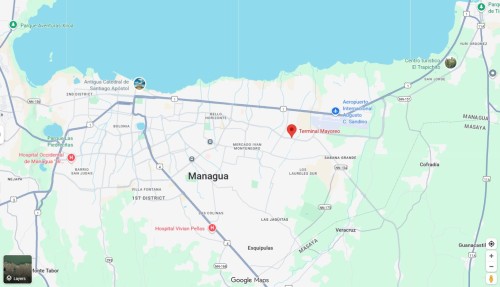
Location
Googe Maps Link: Terminal Mercado Mayoero
Terminal Mercado Roberto Huembes: Hub for Southern Routes
Mercado Roberto Huembes (“Huembes”) is the key terminal for long‑distance travel to the south.
Destinations and routes
Typical long‑distance routes from Huembes include:
- Masaya & surroundings: Masaya, Catarina, San Juan de Oriente.
- Granada: Frequent long‑distance buses and microbuses between Managua (Huembes) and Granada.
- Rivas / Ometepe gateway: Rivas and San Jorge for ferries to Isla de Ometepe.
- San Juan del Sur: Direct or semi‑direct services, often via Rivas.
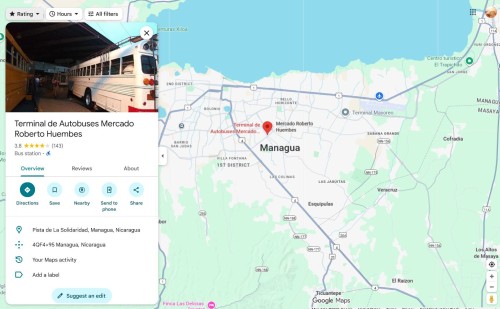
Location
Googe Maps Link: Terminal Mercado Roberto Huembes
Mercado Israel Lewites: Buses to León and the West
Mercado Israel Lewites (often just “Israel Lewites”) is a west‑side Managua market terminal that handles many buses toward the western departments, especially León and Chinandega. It’s located along the Pista Juan Pablo II / La Sabana area and is sometimes labeled as Terminal Israel Lewites or Terminal Buses a León on maps and apps.
From here you’ll find frequent buses and microbuses to León, usually running throughout the day with short intervals between departures. Services are mostly ordinary and expreso “chicken buses” plus microbuses, so you normally just show up at the market, ask for the buses to León, and pay on board or at the bus door; no advance reservation is required.
Location
Googe Maps Link: Mercado Israel Lewites
Regular vs express long‑distance buses
From bus terminals, the long‑distance services are typically:
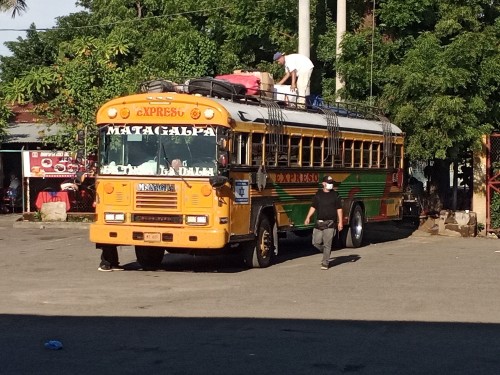
Regular “chicken buses” (camionetas)
- Converted US school buses used for long‑distance routes; cheap and slow due to many stops and cargo.
Express services (chicken or coach‑style)
- Labeled “expreso” or “directo”, making fewer stops and running faster between Managua and major cities such as Granada, Rivas, Matagalpa, and Estelí.
These express services can be:
- A normal chicken bus operated in express mode, or
- A more comfortable coach‑style bus or microbus (Interlocales) with better seats at a slightly higher fare.
Asking for “expreso” or “servicio directo” at either terminal usually points you to the faster, often more comfortable long‑distance option on that route.
Bus Tickets: Paying on Board vs Express Reservations
In general, you do not need to buy tickets in advance for regular “chicken buses” — you simply get on and pay the fare on board — while for express buses you normally buy the ticket shortly before departure, which also serves as a seat reservation.
Bus travel from Managua is generally very inexpensive, with many intercity chicken buses costing around 1–3 USD for typical routes such as Managua–Granada or Managua–Matagalpa, while faster or more comfortable express and microbus services often run in the range of about 3–7 USD depending on distance and route.
Bus Frequency and Operating Times
For most major routes from Managua, there are usually bus connections from early morning until early evening on all days of the week.
Express Buses
Express or “directo/expreso” services typically run about every 1–2 hours on popular intercity routes such as Managua–Granada, Managua–Rivas, or Managua–Matagalpa, with the earliest buses leaving soon after sunrise and the last ones often in the late afternoon or early evening.
Regular Chicken Buses
Regular chicken buses on busy corridors are usually more frequent than the express options, often departing roughly every 30–60 minutes during the main part of the day, though the exact gap can vary by route, time of day, and day of the week, and services may thin out somewhat in the late evening or on weekends.
Seasonal and Weekly Bus Crowding
During school holidays in December and January, and on weekends (especially Friday evenings and Sunday afternoons), many people travel between Managua and their home towns for work and family visits, so both regular chicken buses and express services tend to be noticeably busier and can fill up earlier in the day.
At busier times of year and on busy days, if you definitely need a seat, it is usually possible to buy a ticket one day in advance, for example in the evening for an express departure the next morning, but there is generally no long‑term reservation system and, in practice, there is almost always a way to get on a bus because the network is well balanced.
Using Tica Bus Inside Nicaragua
Using Tica Bus to travel between towns inside Nicaragua, for example from Managua to Rivas or Rivas to Managua, is generally possible but quite limited and not very practical. Tica Bus is designed as an international service (e.g., Managua–San José, Costa Rica), so tickets and boarding rules are set up for cross‑border passengers, not for short internal hops.
Because of that, you usually have to:
- Pay the full international fare, not a reduced price for just the Nicaraguan segment, which makes it many times more expensive than a normal chicken or express bus on the same route.
- Work within a fixed international schedule with fewer daily departures, instead of the frequent departures offered by domestic buses.
- Follow stricter check‑in, baggage, and documentation procedures geared toward border crossings, which adds time and complexity for what is, inside Nicaragua, a relatively short trip.
So while using Tica Bus between Nicaraguan towns like Managua and Rivas can be done in some cases and offers a safer, more comfortable coach experience, it is expensive and inflexible compared with the regular and express domestic buses that run that route frequently and for just a few dollars.
Getting Around Managua by Bus
Managua has a dense network of public buses that connect most neighborhoods, main roads, and markets, and they are one of the cheapest ways to move around the city, usually costing well under 1 USD per ride. The system is informal compared to many big cities: lines are numbered or named, buses display their main destinations on the front, and many routes pass through or near major markets and landmarks like the main universities, Metrocentro area, and the larger mercados.
Most buses are standard city buses or re‑used “chicken bus”–style vehicles that stop frequently along main avenues; you normally just wait at a busy roadside stop, wave the bus down, get on at any door, and pay the fare to the conductor on board. There is no need for advance tickets inside Managua, and services generally run from early morning until evening, with the busiest times around work and school rush hours.
Follow these links to figure out bus lines, numbers and routes:
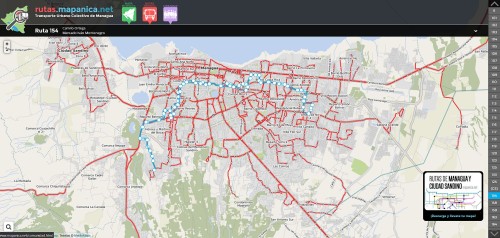
Online map for bus lines: https://rutas.mapanica.net
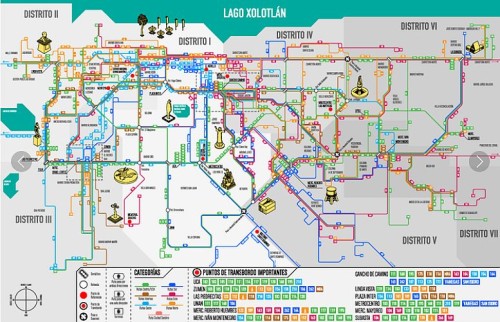
Overview map for bus lines: https://atlasofpopulartransport.mit.edu/managua
Safe travels!
Remember to always look after your phone and luggage at all times. If you plan to have a nap, store you phone away in your front pants pocket.
Related articles:
Bus Schedules between Jinotega–Managua and Jinotega–Matagalpa
Bus Schedules Matagalpa to Managua, Jinotega, Estelí, León