TLDR:
Gated “mini city” communities in Nicaragua offer an affordable, secure, and structured way of living, with basic infrastructure and growing local services that suit families and remote workers. While they provide safety and predictability, they come with smaller homes, community rules, and greater reliance on transport due to their outskirts locations.
Living in a gated community in Nicaragua is less about luxury and more about a practical, structured way to live.
New Century–style “mini cities” blend affordable housing, solid basic infrastructure and a higher sense of security, making them attractive for families, remote workers and long‑stay expats looking for a calm base.
What these “mini cities” offer
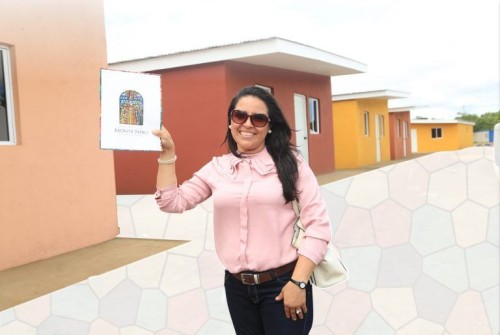
These projects are planned residential neighborhoods with small, sturdy concrete homes, internal roads, lighting and basic drainage. They are usually located on the outskirts of cities like Managua, in slightly cooler and quieter areas than the dense urban core.
As they fill up, they tend to attract small shops, churches, schools and informal services, so over time they start to function like small towns where many daily needs can be covered close to home.
Key advantages
Security is one of the strongest draws: perimeter walls, controlled access and guards can reduce everyday crime compared to many open barrios.
The planned layout brings cleaner streets, more predictable noise levels and fewer random comings and goings, which helps if you keep valuable gear at home or need concentration for online work.
Because these projects target the affordable and lower‑middle segment, entry prices and monthly payments are often lower than what you would face buying a standalone home in a central neighborhood.
Trade‑offs to understand
The model also comes with limitations. Houses and lots are compact, which restricts gardening space, workshops or more experimental projects on your property. Community rules can limit exterior changes, noise, pets and informal business activity, trading personal freedom for order and uniformity.
And the peri‑urban locations mean greater reliance on buses, taxis or a private vehicle for supermarkets, hospitals, work meetings and nightlife.
Used consciously, these communities offer a relatively cheap, safe and quiet base in Nicaragua, while still keeping you close enough to the surrounding cities and countryside to engage with the country on your own terms.
Full deep dive of the various projects with house prices in our Nica Insider section
Related articles:
Top Places to Live in Nicaragua
Why Nicaragua Feels More “Lived‑In” Beyond the Capital Than El Salvador