TLDR:
In the 19th century, Nicaragua became a key transit route during the California Gold Rush, attracting European and North American settlers. Germans established major coffee estates in the northern highlands, while others focused on trade in urban centers. Though few in number, these groups had a lasting impact on the country’s economy and social structure.
Gold Rush Routes and First 19th‑Century Arrivals
In the mid‑1800s, the California Gold Rush turned Nicaragua into a corridor between the Atlantic and Pacific, thanks to Cornelius Vanderbilt’s transit route along the San Juan River, across Lake Nicaragua, and overland to San Juan del Sur. Thousands of travelers, including Europeans and North Americans, crossed this route, and a small number chose to stay rather than continue to California, drawn by land, climate, and local business prospects.
At the same time, British forces briefly occupied San Juan del Norte (Greytown) on the Caribbean coast to control access to this inter‑oceanic route, reinforcing an older English‑speaking presence along the Mosquito Coast. This made Nicaragua both a strategic passage and a place where would‑be gold seekers could “drop out” and remake their plans in Central America.
German Settlers in the Highlands: From Gold Dreams to Coffee Estates
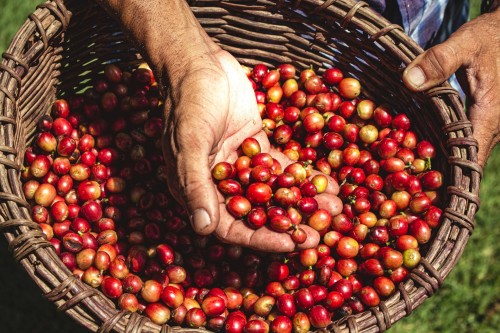
From the late nineteenth century, Nicaraguan governments deliberately invited young German immigrants to settle in the northern highlands to promote coffee cultivation. Many of these arrivals came through Atlantic ports and inland routes that had originally served gold‑rush transit, then moved up into Matagalpa and Jinotega, where altitude and cool, humid conditions were ideal for Arabica coffee.
By the 1880s, a large number of northern European immigrants had concentrated in Matagalpa and Jinotega and focused their efforts on coffee, using new techniques aimed at export markets in Europe and the United States. Some Germans were even paid in land by a cash‑poor state, and laws offered foreign investors free or cheap land in exchange for planting coffee trees.
These settlers established big fincas—estates like those that later formed Selva Negra—introducing processing infrastructure, transport links, and commercial contacts that tied the highlands firmly into global coffee circuits. By 1909, ten of the twelve largest coffee estates (each with over 100,000 trees) in Matagalpa and Jinotega were owned by individuals with foreign backgrounds, many of them German.
Coffee, Class, and Everyday Life (Late 19th–20th Century)
As coffee exports expanded from the 1870s onward, they created a semi‑rural elite in Managua and a powerful estate‑owning class in the northern departments. German and Italian immigrants were encouraged to buy land, and coffee quickly shifted into the hands of white landowners, who relied on poorly paid Indigenous and mestizo labor under harsh conditions.
Over generations, German families in places like Matagalpa, Jinotega, Estelí, Nueva Segovia and Madriz intermarried locally and formed communities that are now in their fourth generation, still strongly associated with coffee and other agricultural businesses. Their farms evolved into hubs for rural life and, in some cases, into modern eco‑tourism projects that retain German family names and architecture.
Other European Immigrants and Where They Settled
Nineteenth‑century Nicaragua experienced modest waves of immigration from Spain, Italy, France and Belgium, alongside the German influx. Many of these families settled in the central and Pacific regions—Granada, León, Managua and nearby departments—where they ran businesses, newspapers, hotels, banks and smaller agricultural enterprises.
Relative to the total population, foreign‑born residents remained under 1 percent for most of this period, but their economic and cultural impact was significant because they controlled key export crops and urban commerce. Northern cities such as Estelí, Jinotega and Matagalpa became known for their German‑descended communities, while Pacific cities reflected a broader mix of Spanish and other European influences.
Origins and Settlement Zones (Text Version of Former Table)
Germans
- Came primarily from northern and central Europe, often traveling via Atlantic shipping routes and, in some cases, using the same inter‑oceanic corridors created during the California Gold Rush.
- Chose to settle mainly in Matagalpa, Jinotega and other northern highland departments, where altitude and climate were ideal for coffee cultivation.
- Focused on creating large coffee fincas, building processing mills, and establishing export links that made these regions key coffee‑producing zones for international markets.
British and Other English‑Speakers
- Arrived through Caribbean and Atlantic routes, especially as part of nineteenth‑century trade and imperial competition in Central America.
- Concentrated along the Mosquito Coast (including towns like Bluefields) and later also in highland areas like Jinotega.
- Worked in coastal trade, logging and administration, and in some cases established or invested in coffee estates and other export‑oriented agricultural ventures.
Spaniards (Post‑Independence)
- Continued to come from the Iberian Peninsula, especially from regions with existing transatlantic links, after formal colonial rule ended.
- Settled chiefly in Granada, León, Managua and other Pacific and central towns where Spanish‑speaking commerce and institutions were already strong. Nicaragua_Emigration_and_Immigration)
- Engaged in trade, landholding and urban professions, reinforcing Spanish‑influenced economic and political life in the main cities.
Italians and French
- Arrived via European ports and Caribbean connections during the broader nineteenth‑century wave of European migration.
- Lived mostly in central and Pacific urban centers such as Granada, León and Managua, where they opened shops, hotels and workshops.
- Took part in coffee and sugar enterprises on a smaller scale and contributed to urban culture, business and services.
Danes and North Americans
- Came later, as investors and entrepreneurs interested in Central American export agriculture and trade.
- Settled particularly in Jinotega and other highland regions that were becoming important for coffee, as well as in a few commercial hubs.
- Invested in coffee, other export crops and commercial activities, complementing the larger German and local landowning groups.
Summary
From the nineteenth century onward, Nicaragua received small but economically powerful groups of foreign settlers whose choices of route and landscape shaped the country’s modern history. Germans in the Matagalpa and Jinotega highlands turned a gold‑rush transit corridor into a dense coffee region, while Spaniards, Italians, French, British and North Americans concentrated in cities, ports and coastal zones tied to trade. Although foreigners were never more than a tiny share of the population, their estates, businesses and family networks left marks that still define regional economies and social structures in Nicaragua today.
Related articles:
What Expats Miss When They Only Look at Statistics
The Sweet Truth About Nicaragua’s Panela: Nature’s Purest Sugar
Nicaragua’s Commitment to Non-GMO Agriculture