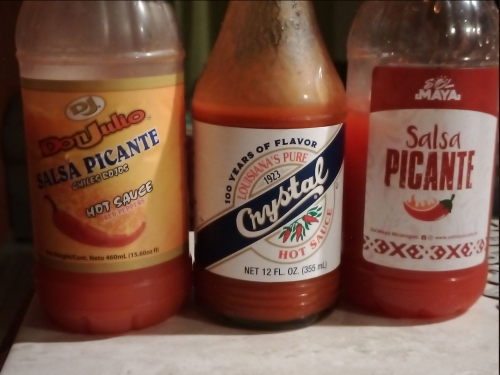
TLDR;
Central American traditional hot sauces boil down to just two fundamental types:
- Fermented (like Chilero): chili + salt + water, left to bubble for days or weeks. Result: funky, earthy, mellow heat, chunky texture, and live probiotics.
- Vinegar-Based (like Salsa de Chile de Árbol): chili + salt + vinegar, blended instantly. Result: sharp, aggressive, raw heat, smooth texture, no fermentation.
Both use the same three basic components—chili, salt, and a liquid (water or vinegar). The difference is entirely in the source of acid: biological time versus chemical punch. That's it. No sugar, no fruit, no thickeners. Just ancient, minimalist genius.
Before supermarkets filled their shelves with glossy bottles boasting exotic fruits and cryptic preservatives, the hot sauces of Central America were born from a simple, primal necessity: how to keep the bounty of the chili harvest edible for months, if not years. The answer, arrived at independently by indigenous cooks long before European contact, split into two brilliant, opposing philosophies. One relies on the invisible, patient labor of wild microbes to transform heat into umami; the other harnesses the sharp, cleansing bite of vinegar to capture lightning in a bottle. Both use almost nothing but chili, salt, and time—yet the chasm between their flavors is as wide as the volcanic mountain ranges that divide the continent. Here is your compass to navigate that ancient duality.
The Core Divide: Fermentation vs. Vinegar
Central American traditional sauces fall strictly into two fundamental camps. The difference isn't in the ingredients list—which remains brutally minimalist—but in how the acid is created. One path is biological and slow; the other is chemical and instant.
Category 1: The Fermented Path (Lacto-Fermentation)
This is the sauce of patience. Here, you mix your chilies with nothing more than salt and water to create a 3–5% brine. You then seal the vessel and step back, allowing the wild lactic-acid bacteria that naturally live on the pepper skins to feast on the fruit's natural sugars. Their metabolic waste is lactic acid, which preserves the mash and creates an astonishingly complex flavor landscape.
- The Flavor: Think earthy, funky, and deeply savory. The heat mellows dramatically, becoming a warm, rounded glow rather than a sharp prick. The acidity tastes fruity and natural, not harsh.
- The Texture: Often chunky or relish-like, as many traditionalists prefer to see the individual bits of pepper and vegetables.
- The Central American Icon – Chilero: Hailing from Costa Rica and Nicaragua, this is the king of fermented sauces. It is almost always a chunky mix of chilies, carrots, onions, cauliflower, and cabbage, all fermented together until they achieve a sour, spicy, pickle-like tang. It is less a "sauce" and more a "spicy salad topping," slathered over gallo pinto and grilled steak.
Category 2: The Vinegar Path (Direct Acidification)
This is the sauce of immediacy. Instead of waiting for microbes, you introduce acid directly in the form of distilled or fruit vinegar. You simply throw your chilies, salt, and vinegar into a blender, puree them into a homogenous liquid, and your sauce is ready within minutes.
- The Flavor: Sharp, bright, and aggressive. The chili's raw personality and original heat remain entirely intact, unfiltered by microbial activity. The acidity cuts through fat like a knife.
- The Texture: Smooth, pourable, and uniform—ideal for drizzling.
- The Central American Icon – Salsa de Chile de Árbol: Predominant in Mexico and northern Central America, this is the archetype. Made with dried árbol chilies, garlic, salt, and vinegar, it delivers a straight-line, unapologetic punch of heat and tartness. Globally recognized commercial cousins like Cholula and Valentina are modern, industrialized descendants of this very tradition.
Comparison
To put it plainly, here is how these two ancient methods stack up against each other:
- On Ingredients: Both use only chili, salt, and a liquid. The ferment relies on water to create a brine, while the vinegar-style uses vinegar outright.
- On Time: The fermented approach demands patience—anywhere from three days to three weeks of active bubbling on your countertop. The vinegar approach is ready the instant your blender stops spinning.
- On Flavor Depth: Fermentation builds a mushroom-like, earthy complexity that develops over time, giving you a sauce that tastes "aged." Vinegar gives you a clean, linear, laser-focused chili flavor with zero background noise.
- On Heat Delivery: A fermented sauce will wrap you in warmth; the capsaicin is tamed and distributed. A vinegar sauce will strike you directly on the tongue, delivering the chili's full, untamed fury.
- On Texture and Usage: The fermented chilero is rough, chunky, and best spooned directly over rice and beans. The vinegar árbol is silky, liquid, and best shaken over tacos, eggs, or grilled fish.
- On Health: The fermented version is alive with beneficial probiotics that aid digestion. The vinegar version, while still healthy, contains no active cultures.
- On Preservation: Both keep for months without refrigeration (though refrigeration is recommended). The ferment survives via its own biological acidity; the vinegar survives via chemical acidity.
The Hybrid Wisdom and the Minimalist Takeaway
It is worth noting that many home cooks in Central America do not treat these as rigid, mutually exclusive categories. A beloved "hybrid" method involves mashing chilies with salt and letting them sit for just one night—a short, preliminary fermentation to soften the flesh and coax out a hint of that savory depth—and then adding vinegar the next morning to halt the process. This gives you a sauce that carries the seed of funkiness while delivering the sharp finish of vinegar.
Ultimately, the Central American philosophy is one of profound respect for the chili. There are no thickening agents, no sugar, no fruit purees, and no exotic spices. It is a conversation between three elements: the pepper, the salt, and the acid. Whether you choose the slow, living path of the ferment or the sharp, immediate path of the vinegar, you are recreating a tradition that has survived centuries not because it was fancy, but because it was flawlessly, beautifully functional.
The Three Store-Bought Sauce Types (Brand-Free)
When you pick up a bottle at the supermarket, you are almost certainly holding one of these three commercial categories:
Type 1: The Aged Mash Hybrid (Fermented First, Vinegar Added Later)
This is the most common style in the general hot sauce aisle. The peppers are crushed with salt and left to ferment and age in barrels for many months or even years. Only after this long aging does the maker add vinegar, which stops the fermentation and adds a sharp finish. The label will clearly say "aged peppers" or "aged mash." The flavor is deep, earthy, mellow, and wine-like, with a rounded heat that lingers softly. This is your everyday all-purpose sauce.
Type 2: The Direct Vinegar Sauce (No Aging, Vinegar Right Away)
This is the other major shelf-stable category. The peppers—often dried—are blended or steeped directly in vinegar from the very start, with no barrel-aging whatsoever. The label will not say "aged." Instead, vinegar appears right at the top of the ingredient list alongside chili and salt. The flavor is bright, sharp, and forward, with a clean chili heat that hits your tongue immediately and fades quickly. This is the zesty, punchy sauce you reach for when you want a direct, uncomplicated kick.
Type 3: The Pure Live Ferment (No Vinegar at All, Refrigerated)
This is the niche style, usually found in the refrigerated section of specialty or health-food stores. The ingredients are just peppers, salt, and water—absolutely no vinegar. All the acidity comes solely from natural fermentation. Because it lacks vinegar's preservative power, it is sold cold. The flavor is aggressively funky, sour, and pickle-like, with a raw, chunky texture and live probiotics. This is the closest to the ancient, pre-colonial tradition.
How to Spot Them Instantly on the Shelf
- See "aged peppers" on the label? → You have Type 1 (mellow, complex, fermented-first).
- No "aged" mention, but vinegar is right there? → You have Type 2 (sharp, bright, vinegar-dominant).
- Vinegar is completely missing from the ingredient list? → You have Type 3 (funky, sour, check the fridge).
Related articles:
The Sweet Truth About Nicaragua’s Panela: Nature’s Purest Sugar
Berry Beer: Easy Fermented Hibiscus Drink for Nicaragua